Kept only on this device, in your browser.
Kept only on this device, in your browser.
In the heart of an autumn afternoon, when the air turns crisp and the leaves begin to take on warm colors, preparing Baklavas becomes an act that unites tradition and sweetness. This dessert, typical of Greek cuisine, is a triumph of layers of the thinnest phyllo pastry, filled with a mix of walnuts and almonds, flavored with spices like cinnamon and cloves, which give it an enveloping and unmistakable aroma. The preparation requires a certain skill, as the dough must be stretched until it is almost transparent, creating a play of textures that melts in your mouth. Baklavas are not just a sweet treat, but a symbol of hospitality, often served on special occasions like weddings and celebrations, where each slice is an invitation to share moments of joy. Their history is rooted in the culinary tradition of the Mediterranean region, but in Greece, they reach a unique perfection, with variations that may include local ingredients like thyme honey, adding a note of freshness and aromaticity to the dish. Perfect to enjoy with Greek coffee or aromatic tea, Baklavas are wonderfully suited to crown a festive lunch or conclude a dinner among friends, bringing a touch of sweetness and refinement. Whether it’s a celebration or a simple moment of pleasure, this dessert represents a deep connection to Greek gastronomic culture, capable of delighting even the most discerning palates.
 Sweet taralli with chocolate and almond
Sweet baked taralli
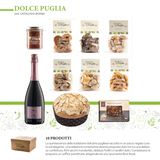 Sweet Gift Basket
Gift hamper of Apulian products
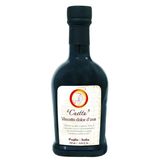 "Cuettu" Mellow cooked grape must
Sweet cooked grape must
 Sponsor · la terra di Puglia
* approximate values per serving
Mix the walnuts, almonds, cloves, and cinnamon. Melt the butter and grease a rectangular baking dish where you will place the phyllo dough, which should be rolled out until it becomes very thin. From 500 g of dough, you should obtain at least 10 sheets. Place three sheets on top of each other in the dish and add some of the filling. Continue until the filling is used up. Cover with two layers of phyllo dough and tuck in the edges. Cut the baklava into squares, pour the remaining butter over it, and bake in a preheated oven at 200 degrees until the pastry turns a beautiful golden color. Meanwhile, place the ingredients for the syrup in a saucepan and simmer on low heat for 5-10 minutes. Once ready, pour it over the hot baklava, just out of the oven.
One of the tastiest variations of baklava is undoubtedly the one made with walnuts and almonds. This traditional dessert, which has its roots in Greek cuisine, can be further enriched by mixing walnuts and almonds in different proportions, depending on personal taste. The combination of these two ingredients creates a rich and crunchy filling, perfect for being enclosed between layers of the thinnest phyllo pastry. For optimal results, it is advisable to lightly toast the walnuts and almonds before chopping them, in order to enhance their flavor. A generous dose of cinnamon and cloves will make the baklava even more aromatic, bringing to the table a dessert that stands out for its fragrance and irresistible texture.
Baklava is a typical dessert of Greek tradition, often prepared for special occasions and celebrations. The traditional version involves the use of phyllo pastry, walnuts, almonds, and a fragrant blend of spices such as cinnamon and cloves. The preparation requires a certain patience, as it is essential to layer thin sheets of pastry and filling to achieve the perfect texture. Baking occurs in the oven until golden brown, followed by a generous soak of honey, sugar, and lemon juice, which gives the dessert a balanced sweetness and unmistakable shine. Serving Greek baklava with a sprinkle of chopped pistachios can make it even more inviting and decorative.
For those who desire a lighter version of baklava, it is possible to prepare a "light" recipe by reducing the amount of sugar and replacing part of the butter with olive oil. This variant still maintains its traditional character, as the flavor of the walnuts and almonds remains predominant. By using honey in moderate amounts, one can achieve a natural sweetness that does not weigh down the dessert. Even the phyllo pastry, which is already light, helps keep the baklava lower in calories compared to other richer preparations. This approach allows one to enjoy a delicious dessert without sacrificing attention to their diet.
Walnuts, the main ingredient in baklava, are renowned for their numerous nutritional benefits. Rich in omega-3 fatty acids, these nuts promote heart health and may help reduce cholesterol. Additionally, they are an excellent source of antioxidants and vitamins, including vitamin E, which supports skin health and the immune system. In terms of calories, a serving of baklava (about 100 grams) can contain between 300 and 400 calories, depending on the amount of sugar and butter used. Consuming baklava in moderation allows one to enjoy its benefits without overindulging in calories.
One of the most frequently asked questions about baklava is whether it can be frozen. The answer is yes: baklava can be frozen both before and after baking. To freeze the unbaked dessert, it is advisable to assemble the various layers of pastry and filling, then wrap it well in plastic wrap and place it in an airtight container. This way, the baklava can be baked directly from the freezer, adding a few extra minutes of cooking time. If, instead, one wishes to freeze already baked baklava, it is important to let it cool completely before wrapping it. In both cases, baklava keeps well in the freezer for about 2-3 months, maintaining its flavor and crunchiness.
With your consent we use Google Analytics cookies to count visits and see which recipes are read. Without consent we load none. There is no third-party advertising on this site. Cookie policy