Kept only on this device, in your browser.
Kept only on this device, in your browser.
The preparation of a dessert like Sponge Cake with the Bimby represents a moment of sweetness that fits perfectly into special occasions or even a simple festive afternoon. This soft and fluffy cake, characterized by a light texture and delicate vanilla flavor, is ideal for being filled with creams, fruits, or chocolate, making it an excellent base for elaborate cakes. Its preparation is made even simpler thanks to the help of the Bimby, a kitchen robot that allows for perfect results with less effort. The technique of whipping the eggs with powdered sugar, followed by the incorporation of flour and other ingredients, creates an airy batter, essential for the success of this cake. Traditionally, Sponge Cake is used in many regional variations, but its essence remains unchanged: a versatile dessert that lends itself to a thousand interpretations. It can be served on occasions such as birthdays, parties, and celebrations, but it is also perfect for an afternoon tea with friends, accompanied by a cup of tea or coffee. The possibility of customizing it according to preferences, with the addition of fresh fruit or pastry cream, makes it a dessert that is always current and loved by both young and old. In every Italian home, Sponge Cake finds its place, becoming a dessert that not only satisfies the palate but also brings with it an atmosphere of celebration and sharing.
 Glazed taralli
Sweet baked taralli
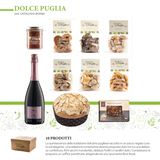 Sweet Gift Basket
Gift hamper of Apulian products
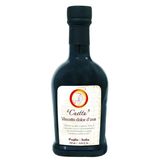 "Cuettu" Mellow cooked grape must
Sweet cooked grape must
 Sponsor · la terra di Puglia
* approximate values per serving
Make the powdered sugar: 20 seconds at turbo speed. Add the eggs: 20 seconds at speed 4. Pour through the lid opening with blades in motion at speed 7 the flour, vanilla powder, salt, and lastly the baking powder: 40 seconds at speed 7. Pour into a cake pan and bake in the oven for 10 minutes at 160 degrees, 15 minutes at 180 degrees, and 15 minutes at 200 degrees. It is an excellent base for filled cakes.
One of the most appreciated variations of Spanish Cake is certainly the one with chocolate cream. This preparation enriches the classic dessert with a delicious filling, ideal for those who love intense flavors. To make it, after preparing the Spanish Cake with the Bimby, you can fill the cake with a delightful chocolate cream, made with dark chocolate, cream, and a pinch of sugar. The combination of the softness of the Spanish Cake with the creaminess of the filling creates a perfect balance. You can also decorate the cake with chocolate shavings or fresh fruit to make it even more inviting. This dessert is perfect for celebrating birthdays and other special occasions, offering a rich flavor and an appealing presentation.
The Neapolitan Spanish Cake is a regional variation that stands out for its texture and sweetness. This preparation involves the addition of ingredients typical of the Campania tradition, such as Strega liqueur, which gives the dessert a particular aroma. After making the Spanish Cake with the Bimby, you can soak the cake layers with a syrup made of water, sugar, and liqueur, making the dessert even more moist and flavorful. Often, the Neapolitan Spanish Cake is used as a base for the famous cakes filled with pastry cream or ricotta, creating a dessert that celebrates the flavors of Campania. This version is perfect for those who wish to bring a touch of tradition to their sweet preparations.
For those who desire a lighter version of the classic Spanish Cake, the light sugar-free recipe is an excellent alternative. By using a natural sweetener like honey or agave syrup, you can maintain the sweetness of the dessert without adding unnecessary calories. The preparation remains almost the same, but it is important to consider that the final result may be slightly different in terms of texture. This light Spanish Cake is ideal for those following a low-calorie diet or for those who need to limit their sugar intake. You can use this cake as a base for desserts filled with fresh fruit or yogurt, creating a healthy and tasty dessert, perfect even for children.
The Spanish Cake, made with simple ingredients like eggs and flour, offers some interesting nutritional benefits. Eggs, for example, are an excellent source of high-quality protein and contain essential vitamins such as vitamin D and the B complex. Flour provides carbohydrates, which are essential for providing energy. However, it is important to note that the Spanish Cake can be high in calories, depending on the ingredients used and any fillings. On average, a serving of Spanish Cake contains about 250-300 calories. For those who wish to enjoy it without guilt, it is possible to opt for lighter variations or balance the portions with other healthy foods.
The answer to this question is yes, you can freeze Spanish Cake! This practice is very useful if you have prepared an excessive amount of dessert or if you want to save it for a future occasion. To freeze it, make sure to wrap it well in plastic wrap or in an airtight container, in order to protect it from moisture and odors in the freezer. When you are ready to enjoy it, just let it thaw at room temperature for a few hours. It is advisable to consume it within 2-3 months of freezing to ensure maximum freshness. Freezing Spanish Cake is a great way to always have a dessert ready to use, without compromising the taste and quality of the preparation.
With your consent we use Google Analytics cookies to count visits and see which recipes are read. Without consent we load none. There is no third-party advertising on this site. Cookie policy