Kept only on this device, in your browser.
Kept only on this device, in your browser.
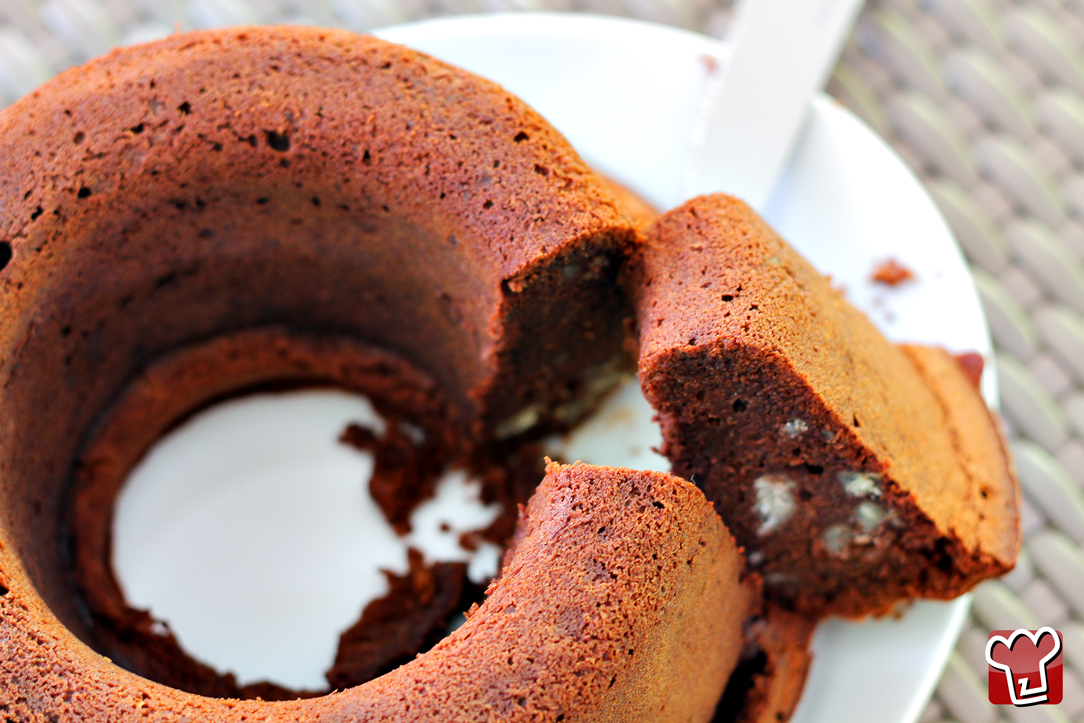
On a winter afternoon, when the cold knocks at the door and the table is set to welcome the warm aromas of the kitchen, Herb Bread emerges as a rustic and enveloping dish, typical of Umbrian tradition. This delightful appetizer, which combines the softness of bread with the intensity of vegetables, is a perfect example of how simple ingredients can transform into a rich and satisfying culinary experience. Its texture is a perfect balance between the crunch of the coating and the tender, flavorful heart, enriched by Parmesan cheese and a light hint of nutmeg that enhances everything. The preparation of Herb Bread begins with cooking the vegetables, which must be boiled and then squeezed, removing any trace of water to ensure a well-compacted mixture. This step is crucial: too moist vegetables would compromise the success of the dish, making it heavy and difficult to manage. In Umbria, this dish is often prepared for festive occasions, as an appetizer during Sunday lunches or for dinners among friends, and is appreciated for its versatility. Local variations can be found that include different types of vegetables, depending on the season, such as Swiss chard, spinach, or kale, all starring in a rich regional culinary landscape. Served hot, Herb Bread pairs well with a side of sauces or a simple tomato sauce, making it a dish that adapts to multiple contexts, from informal lunches to more elaborate dinners. With every bite, one rediscovers the Umbrian culinary tradition, which celebrates the freshness of ingredients and the care in preparation.
 Taralli with extra virgin olive oil
Savoury baked taralli
 Natural sliced artichokes
Preserved baby artichokes
 Olives Bella from Cerignola
Apulian olives, preserved
 Sponsor · la terra di Puglia
* approximate values per serving
Boil the vegetables and squeeze them to remove all the water; chop them very finely. Soak the bread in milk and let it soften so that all the milk penetrates the bread. Mix the vegetables, the bread together with the egg, the Parmesan cheese, nutmeg, and salt. Form about 20 small patties (like sandwiches). Make small oblong cuts and coat them in breadcrumbs. Place them on a baking tray lined with parchment paper. Bake at 200° (preheated oven) for about 15 minutes (or until golden). Serve warm if possible. These small buns can also be fried, even better if a strip of mozzarella is added in the middle (like a quenelle or supplì).
One of the tastiest variations of Herb Bread is certainly the one that uses seasonal vegetables. In this version, you can enrich the preparation with fresh ingredients such as spinach, Swiss chard, or even zucchini. The combination of different vegetables not only makes the dish more colorful and appetizing but also increases its nutritional value. To make this variation, simply boil the chosen vegetables, finely chop them, and mix them with bread soaked in milk, egg, Parmesan cheese, and nutmeg. The resulting dough can be baked until golden brown, offering a dish rich in flavor and health. This version is also well-suited as an appetizer or snack for an aperitif.
Herb Bread has deep roots in Umbrian culinary tradition, where it is prepared following recipes passed down from generation to generation. In this regional variation, typical Umbrian herbs such as rosemary or sage can be used to add an extra touch to the dish. The preparation remains similar, but the addition of these herbs gives a distinctive aroma and flavor. Herb Bread from Umbria is often served during holidays and special occasions, thus becoming a symbol of local cuisine. This dish can be enjoyed both hot and at room temperature, making it perfect for a lunch outdoors or a picnic.
For those who desire a lighter version of Herb Bread, it can be prepared without milk, substituting it with water or vegetable broth. This light variation still maintains the flavor and texture of the original dish, making it suitable for those following a dairy-free diet. Additionally, by using whole grain or low-calorie bread, the recipe can be further lightened. The dough can be baked until crispy, offering a healthy and tasty alternative. This preparation is ideal for those who want to maintain a balanced diet without giving up the pleasure of a good traditional dish.
Herb Bread is a dish rich in vegetables, which provide numerous benefits to our body. The vegetables used, such as spinach and Swiss chard, are sources of vitamins, minerals, and antioxidants, essential for overall well-being. Parmesan cheese provides protein and calcium, contributing to bone health. On average, a piece of Herb Bread contains about 150-200 calories, depending on the ingredients used. This dish can be an excellent choice for a balanced meal, thanks to the combination of carbohydrates, proteins, and fibers. Moreover, it is an effective way to consume vegetables, which are often overlooked in the daily diet.
The answer is yes, Herb Bread can be frozen without any problems. It is advisable to do so after cooking, allowing the dough to cool completely before storing it in an airtight container or food bags. This way, freshness and flavor can be preserved. To consume them, simply thaw them in the refrigerator and reheat them in the oven or in a pan to restore their crispness. This option is ideal for those who wish to prepare Herb Bread in advance and enjoy it later, without compromising the quality of the dish.
With your consent we use Google Analytics cookies to count visits and see which recipes are read. Without consent we load none. There is no third-party advertising on this site. Cookie policy