Spaghetti in a foil parcel
Turn your common spaghetti into a special dish to treat your guests and satisfy everybody's appetite! "Hide" them into a foil pouch and you'll have an unexpected surprise for them. The "marinara" sauce is perfect for this oven/steamed cooking technique. And you don't need to add any other fats!
Ingredients
Pugliese Spaghetti al Cartoccio
The thick, fragrant Pugliese tomato sauce pairs beautifully with spaghetti al cartoccio, wrapped in a hug of aromas. This dish embodies the freshness of artisanal ingredients, such as extra virgin olive oil, creating a burst of flavor that highlights the essence of Pugliese cuisine.
* approximate values per serving
Preparation
In a dash of oil, sautè the squid rings, then add mussels and king prawns, then cook quickly. Add two or three spoons of tomato passata, basil, salt ad sugar. Place your pasta in a saucepan with boiling water and cook until al dente. Season your spaghetti with the fish sauce. Arrange them into an alluminium foil over a baking tray, add a drizzle of oil and cook for 10-15 minutes.
Step by step
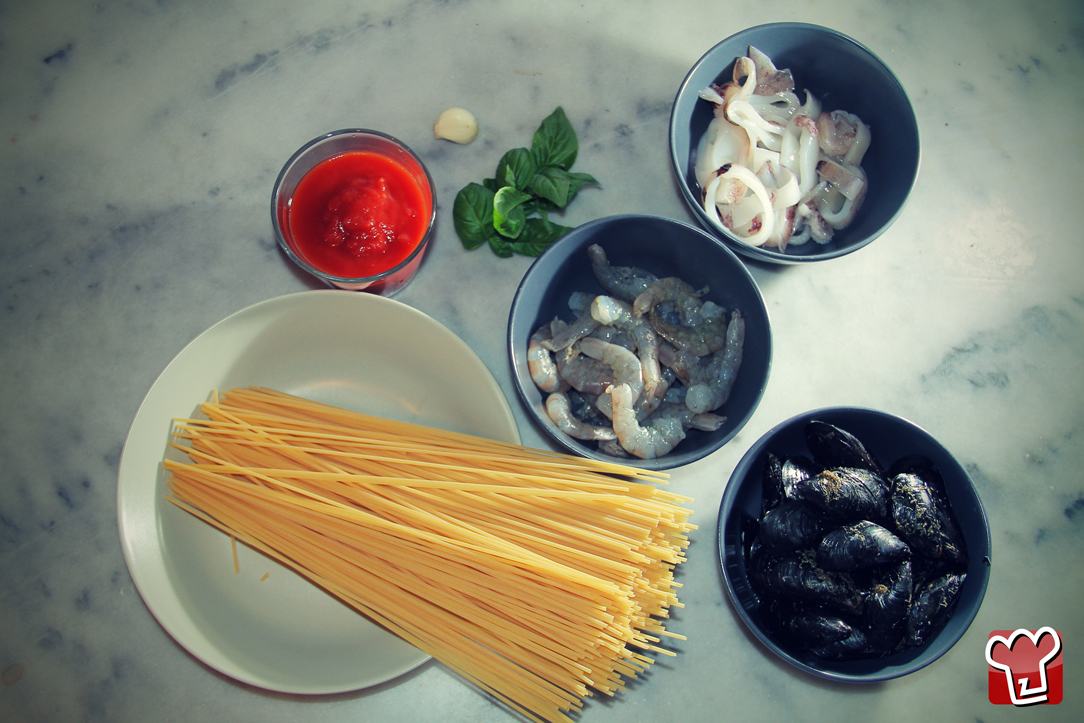
|
View the step by step
|
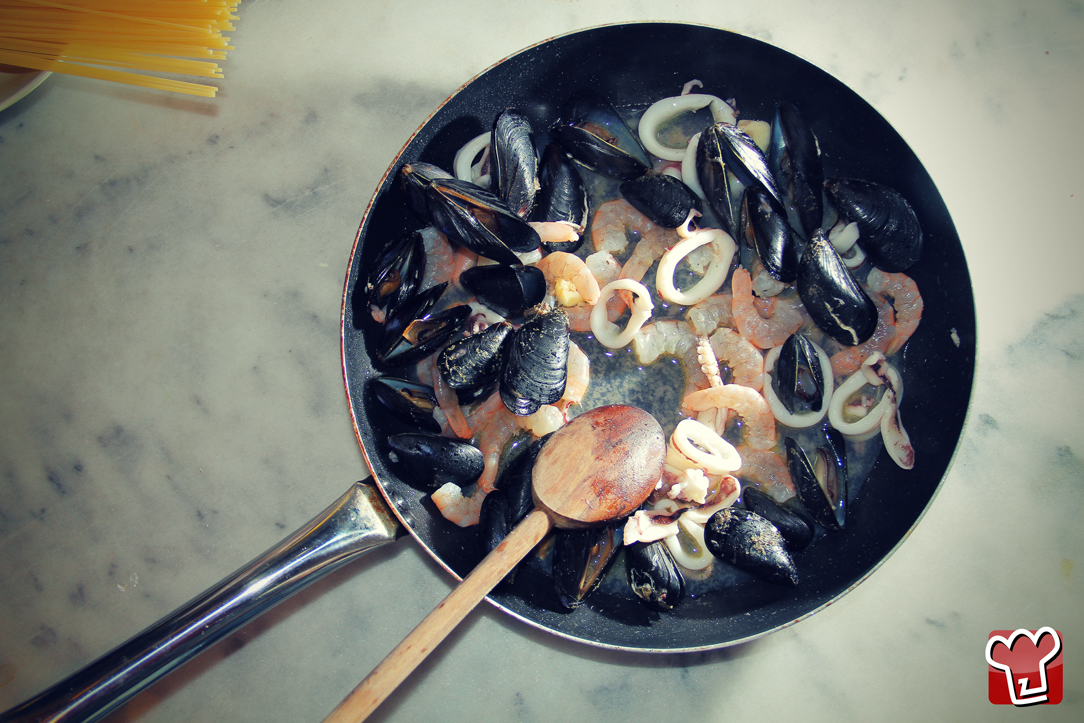
Saute the squid rings with a dash of extravirgin olive oil, then add mussels and king prawns and cook for some more minutes
|
|
View the step by step
|
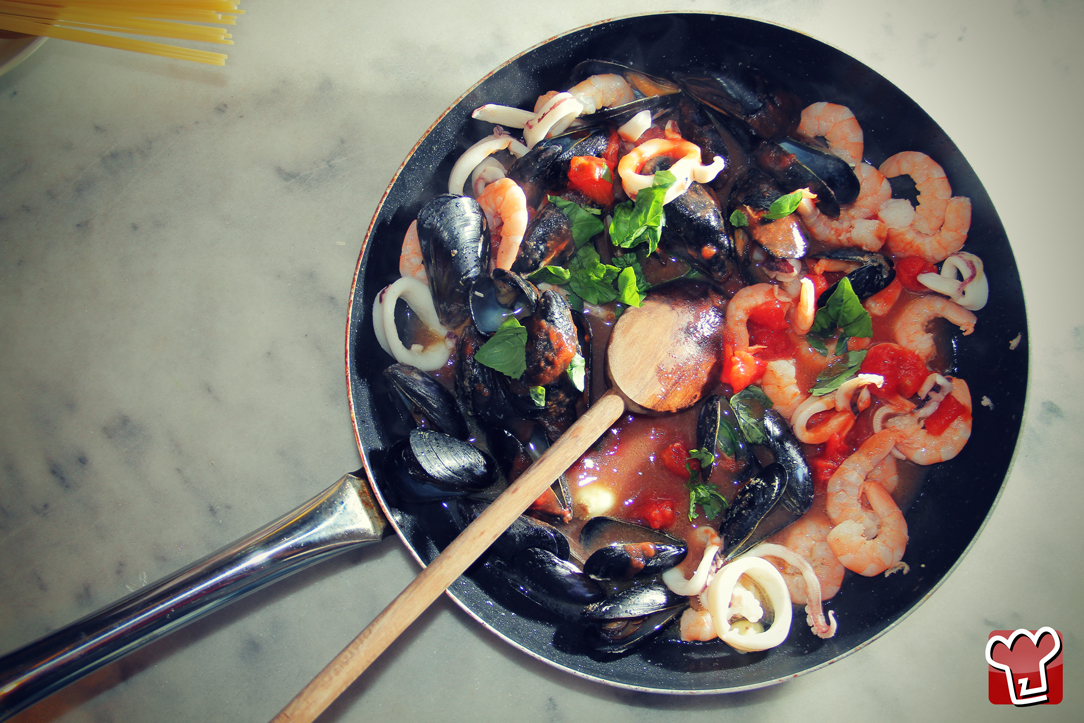
Add tomato, basil and a pinch of sugar
|
|
View the step by step
|
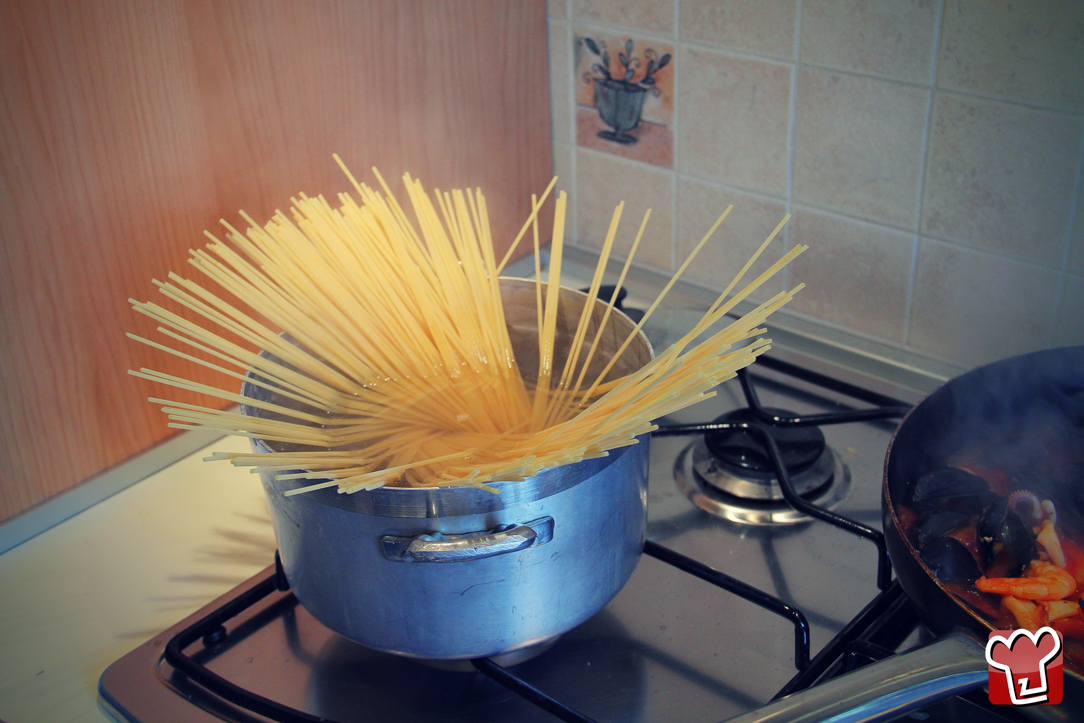
Cook your spaghetti in boiling water until al dente
|
|
View the step by step
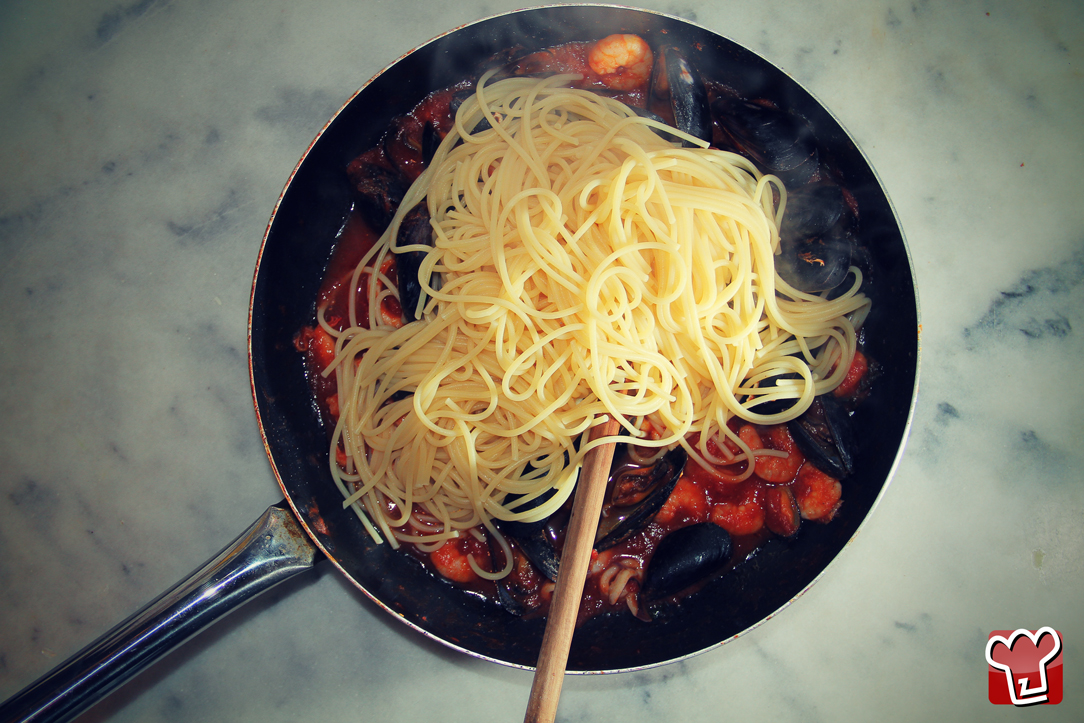
|
Season your spaghetti with the marinara sauce
|
|
View the step by step
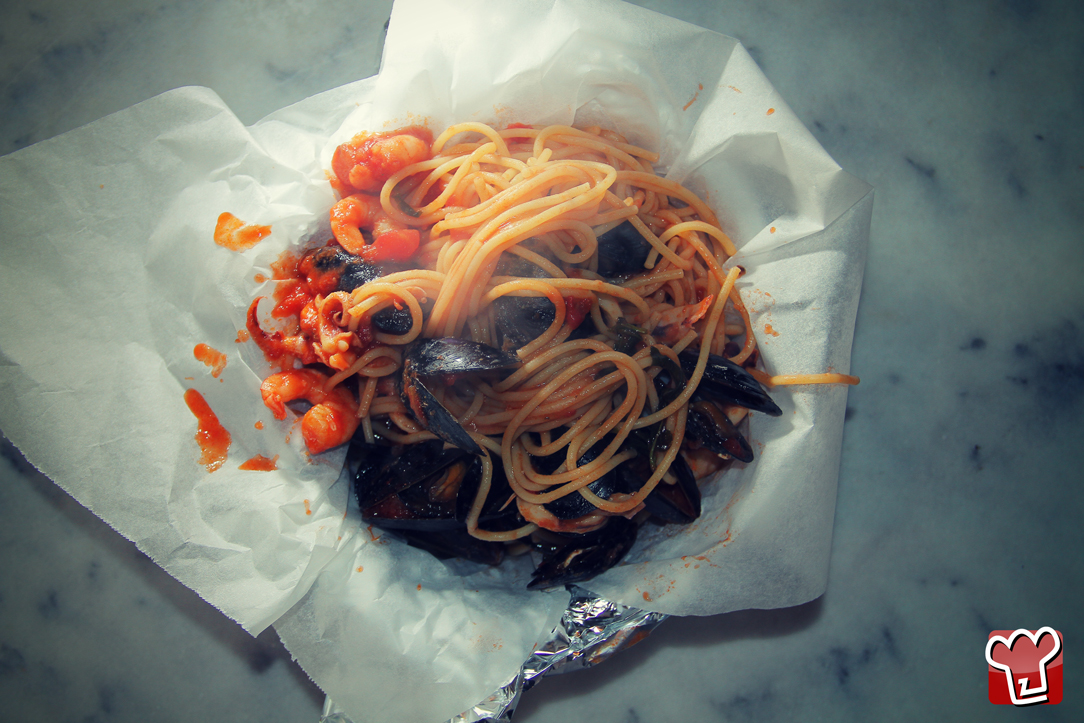
|
Put a foil on a baking tray, arrange your spaghetti on it, then seal it and cook it for 10-15 minutes.
|
|
View the step by step
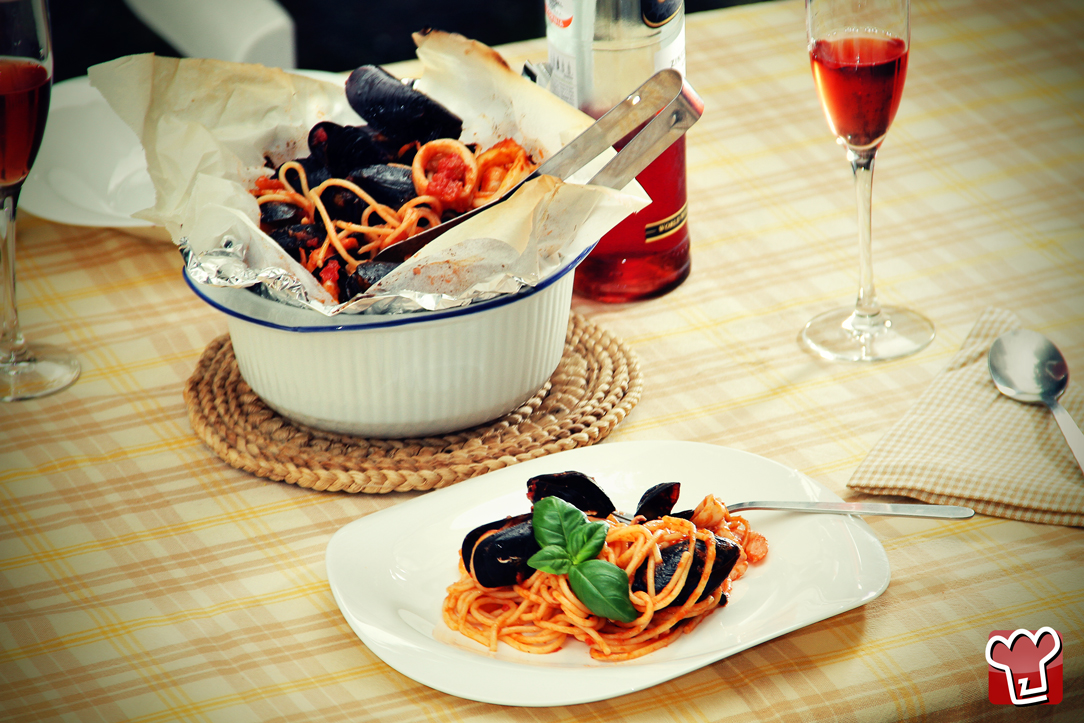
|
Our spaghetti in a foil parcel are ready!
|
Additional information
Spaghetti al Cartoccio with Squid and Prawns
A delicious variation of spaghetti al cartoccio is the one that includes squid and prawns. This combination of seafood enriches the dish with intense and fresh flavors. To prepare this recipe, start by sautéing the squid cut into rings in a bit of oil, then add the prawns and cook lightly. The fish sauce, made with tomato, basil, salt, and a pinch of sugar, pairs perfectly with the pasta. The spaghetti, cooked slightly al dente, is mixed with the sauce and placed in a foil and parchment paper parcel, then baked in the oven. This cooking method allows the flavors to meld together, offering a rich and fragrant dish that will delight even the most discerning palates.
Spaghetti al Cartoccio Calabrian Style with Fresh Fish
Another interpretation of spaghetti al cartoccio is the one typical of Calabria, where the flavors of the sea blend with fresh and genuine ingredients. In this version, local fresh fish, such as swordfish or tuna, can be used to further enrich the dish. The preparation remains similar: the seafood is sautéed in a pan and combined with a tomato sauce flavored with basil. The Calabrian culinary traditions, strongly tied to the territory, make this recipe a true homage to local gastronomy. Cooking spaghetti al cartoccio helps to preserve the flavors and nutritional properties of the ingredients, making each forkful a journey through the scents and colors of Calabria.
Light Spaghetti al Cartoccio with Vegetables
For those who desire a lighter version of spaghetti al cartoccio, it is possible to opt for a preparation that includes only seasonal vegetables. In this recipe, zucchini, eggplant, and cherry tomatoes can be used, sautéed in a pan with a drizzle of oil and flavored with garlic and basil. The pasta, cooked al dente, is mixed with the vegetables and arranged in the parcel for the final cooking in the oven. This light variant is not only lighter but also rich in vitamins and minerals, perfect for those following a balanced diet. Thanks to the parcel cooking, the flavors of the vegetables intensify, creating a healthy and tasty dish that satisfies the palate without weighing it down.
Nutritional Benefits of Spaghetti al Cartoccio and Calories
Spaghetti al cartoccio represents a dish rich in nutrients thanks to the presence of fresh ingredients like fish and vegetables. Seafood, in particular, is an excellent source of protein, omega-3 fatty acids, and minerals such as calcium and iron. Additionally, tomatoes are rich in lycopene, an antioxidant that offers numerous health benefits. A serving of spaghetti al cartoccio provides about 400-500 calories, depending on the ingredients used. Opting for lighter variants, such as those with only vegetables, can reduce the caloric intake while still providing a good amount of fiber and vitamins. This dish, therefore, is not only tasty but also nutritious, ideal for a balanced and healthy meal.
Can Spaghetti al Cartoccio be Frozen?
A common question regarding spaghetti al cartoccio is whether it can be frozen. The answer is yes, spaghetti al cartoccio can be frozen, but it is advisable to do so before the final cooking in the oven. By preparing the parcel with the raw ingredients, it is possible to freeze the preparation and then cook it directly in the oven when you want to enjoy it. If the spaghetti has already been cooked and baked, freezing may compromise the texture and flavor. In any case, to ensure freshness, it is important to use airtight containers and consume everything within a month of freezing. By following these simple steps, you can enjoy a delicious dish of spaghetti al cartoccio even at a later time.