Kept only on this device, in your browser.
Kept only on this device, in your browser.
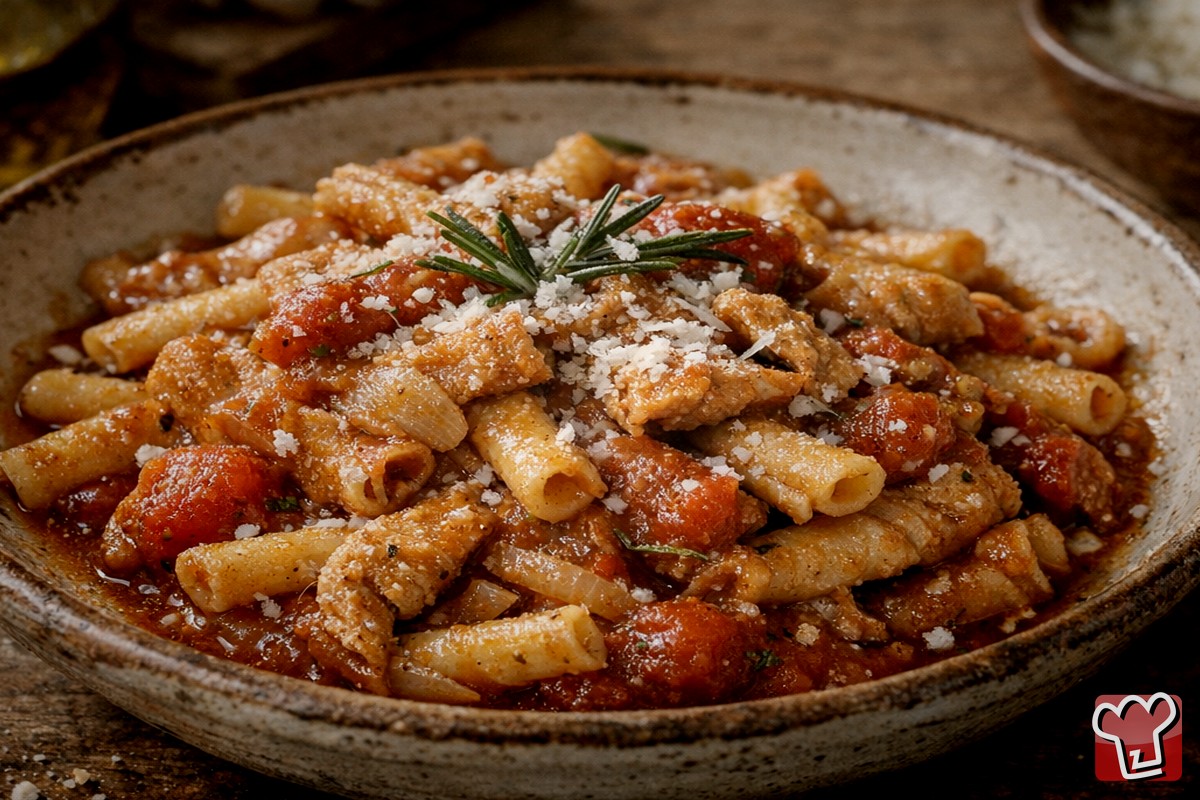
When the winter cold knocks at the door, the kitchen fills with enveloping and warm aromas, and Neapolitan Ragù becomes a true symbol of hospitality and tradition. This dish, rooted in Campania, features a rich and hearty consistency, thanks to the slow cooking of the beef round, which melds with lard and onions, creating a thick and flavorful sauce. The choice of a robust red wine to deglaze the meat is no coincidence: this cooking technique, which involves a long process on the lowest heat, allows the flavors to blend perfectly, giving the ragù an unmistakable character. In many Neapolitan families, Neapolitan Ragù is a dish that is not only prepared with care but shared during Sunday lunches, when the table is filled with friends and relatives, all ready to savor one of the most beloved dishes of the local culinary tradition. Each family has its own variation, sometimes enriched with a pinch of chili or a sprinkle of parmesan, but the heart of the recipe remains unchanged: quality ingredients and patient cooking. This ragù pairs beautifully with a good plate of pasta, such as ziti or orecchiette, which blend perfectly with the sauce, making it an ideal dish for special occasions or family dinners. With Neapolitan Ragù, every bite becomes a moment of sharing, where the warmth of the kitchen translates into authentic and unforgettable flavors.
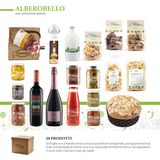 Christmas baskets for companies ALBEROBELLO
Gift hamper of Apulian products
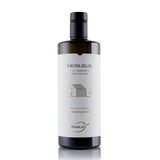 Favololio, extra virgin olive oil from Favolosa 500ml
Apulian extra virgin olive oil
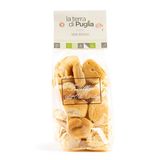 Friselline with olive oil
Friselle (twice-baked bread)
 Sponsor · la terra di Puglia
* approximate values per serving
Slowly brown the beef round with crushed lard, sliced onions, salt, and pepper. Add red wine and let it cook on the lowest heat for 2 hours. Add the tomato paste, raise the heat, and let it simmer for 15 minutes. Cover the meat with water and continue cooking for another 2 hours on the lowest heat, stirring often, until the sauce has thickened and become glossy and dark. Suitable for various uses.
One of the most flavorful variations of Neapolitan ragù is the one that uses beef and lard. This combination offers a rich and enveloping flavor that pairs perfectly with the sweetness of onions and the intensity of red wine. The preparation requires time and patience, but the final result greatly rewards the efforts. The beef round, slowly browned together with the crushed lard, becomes tender and flavorful, while the tomato paste gives the sauce a creamy consistency and an intense color. Served with a side of fresh pasta, this ragù becomes a perfect main dish for a family dinner or a Sunday lunch.
Neapolitan ragù is a dish that represents the culinary tradition of Campania. This recipe, passed down from generation to generation, is distinguished by its slow cooking and enveloping flavor. The traditional technique involves using fresh, quality ingredients, such as beef and lard, which are cooked over a very low heat for many hours. This method allows the flavors to blend perfectly, creating a dense and rich sauce. The variety of onions used, along with the red wine, further enriches the dish, making it ideal to enjoy with a good glass of local wine. Preparing a Neapolitan ragù in a traditional way also means dedicating time to cooking, a fundamental element for achieving exceptional results.
For those who desire a lighter version of Neapolitan ragù, it can be prepared without lard, substituting it with a drizzle of extra virgin olive oil. This alternative maintains the rich flavor of the dish while reducing the fat content. By using only lean beef and fresh onions, a lighter yet equally tasty ragù can be achieved. The cooking remains the same, over a very low heat, to ensure that all the flavors blend perfectly. This version is perfect for those following a healthier diet but who do not want to give up the classic flavor of Neapolitan cuisine. Served with whole wheat pasta or rice, the light ragù becomes a nutritious and satisfying dish, ideal for a family lunch or dinner.
Neapolitan ragù, prepared with fresh and quality ingredients, offers several nutritional benefits. Beef is a rich source of protein, iron, and B vitamins, essential for the proper functioning of our body. Onions, in addition to adding flavor, are rich in antioxidants and have anti-inflammatory properties. The tomato paste used in the ragù is an excellent source of lycopene, an antioxidant known for its beneficial effects on heart health. Despite the richness of flavors, a serving of Neapolitan ragù provides about 350-400 calories, making it a substantial dish but not excessively caloric when consumed in moderation.
A very common question is whether it is possible to freeze Neapolitan ragù. The answer is yes! This dish is very suitable for freezing, allowing you to preserve its flavor and consistency. To freeze it, it is advisable to let the ragù cool completely before transferring it to airtight containers or food bags. This way, frost formation is avoided, and the quality of the sauce is preserved. When you wish to consume it, simply thaw it in the refrigerator for a few hours or heat it slowly in a pot. This way, you will always have a delicious ragù ready to enjoy at any time.
With your consent we use Google Analytics cookies to count visits and see which recipes are read. Without consent we load none. There is no third-party advertising on this site. Cookie policy