Baby squid kebabs
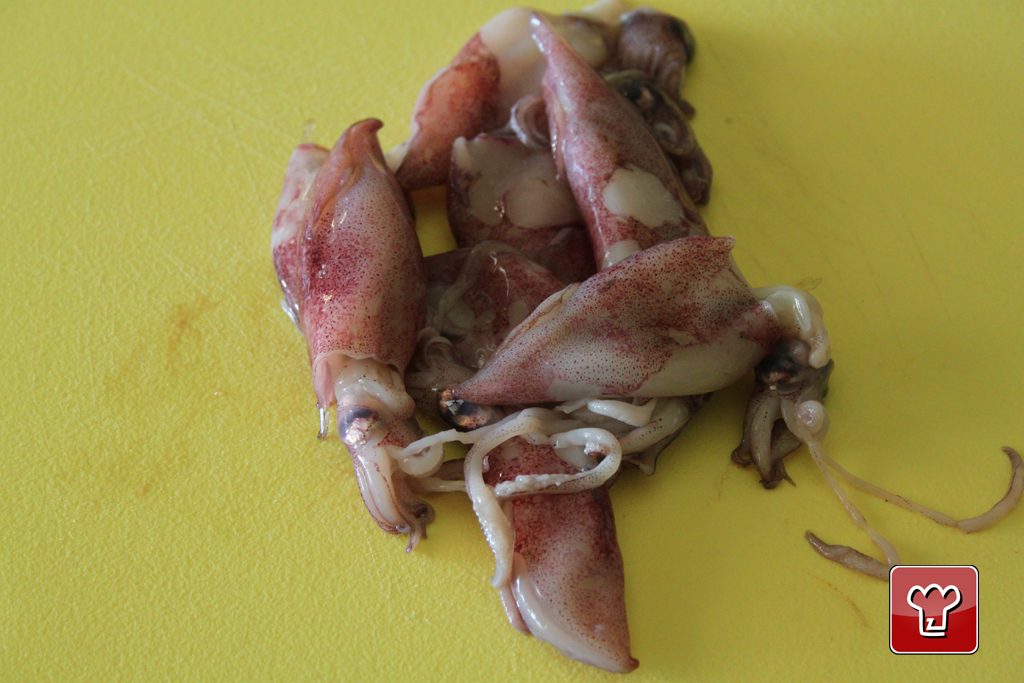
When you're at the market visiting a fishmonger you trust, or if you are lucky enough to live in a town by the sea, don’t pass up the opportunity to buy some fresh fish, caught that morning! This time we present some lovely baby squid. They are a type of seafood and are characterized by their tenderness (if preserved and cooked as it should be) and richness in protein. It goes without saying that they are an excellent food for children. Great when eaten in seafood salads or stews; if fried bear in mind that the calorie count will inevitably rise. So this time we suggest a recipe for squid kebabs, despite their extreme simplicity: are you ready to try this dish, and transform your dinner party into something quite exotic?
Ingredients
* approximate values per serving
Preparation
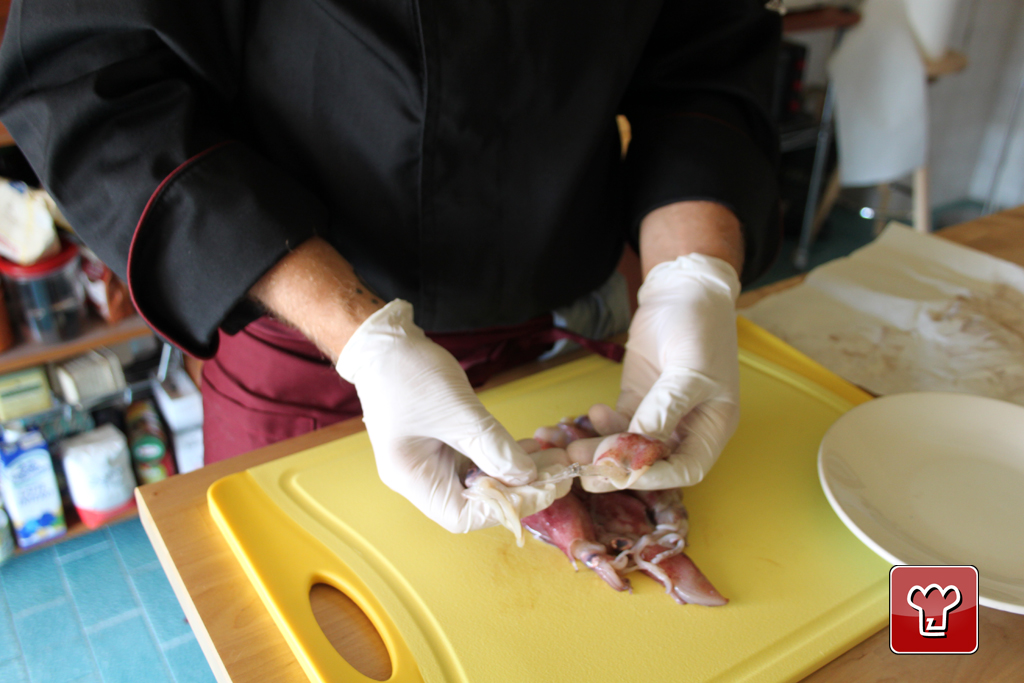
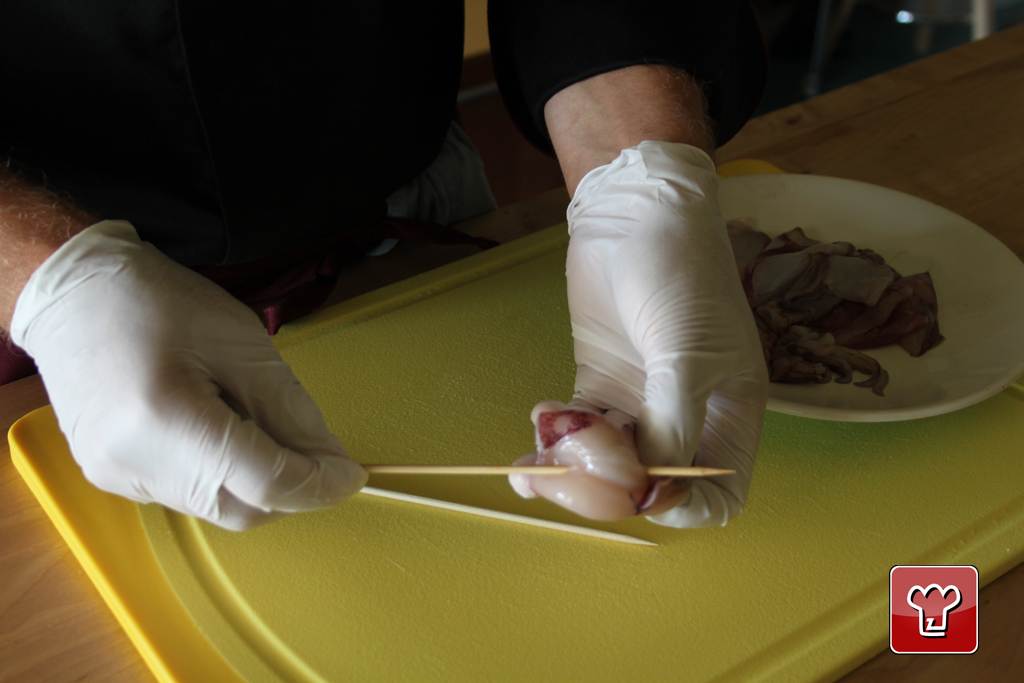
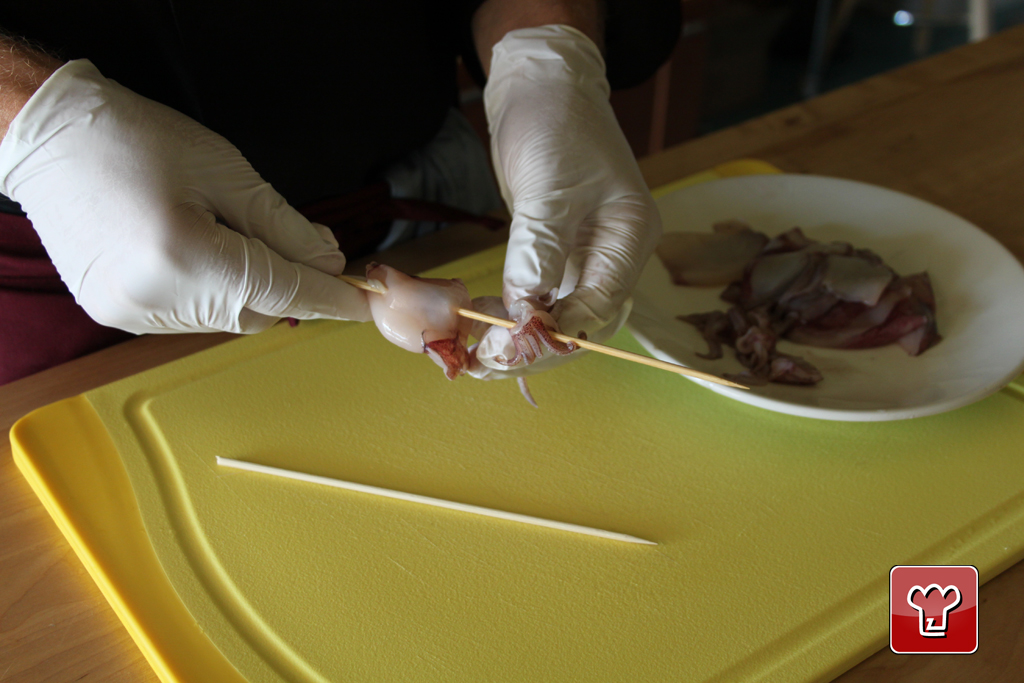
Clean the squid of its entrails keeping only the tentacles and the heads. Attach 2 squid per skewer with the respective heads. Season the skewers with salt and pepper and drizzle with oil. Heat a large frying pan and sear on a very high heat for 1 minute per side. Serve very hot and enjoy!
Step by step
|
View the step by step
|
Clean the squid, including their entrails, ‘beak’ and eyes
|
|
View the step by step
|
Skewer the squid on to the kebabs, two or three to each one plus the respective heads
|
|
View the step by step
|
Season the kebabs with sea salt, pepper and oil
|
|
View the step by step
|
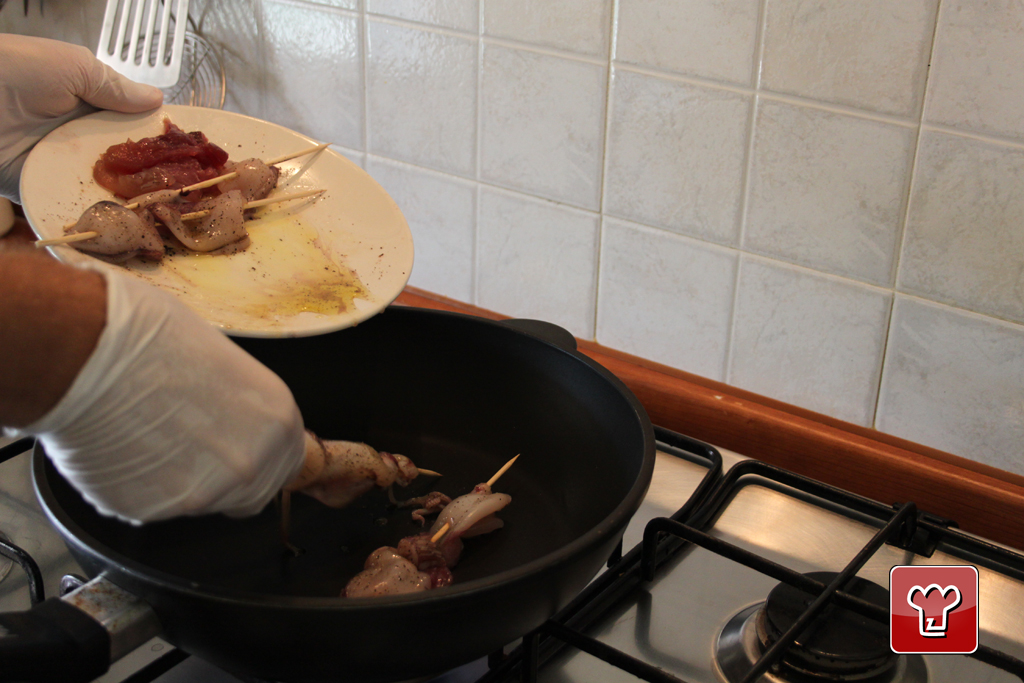
Sear over a high heat in a frying pan for a few minutes, making sure they are still soft
|
|
View the step by step
|
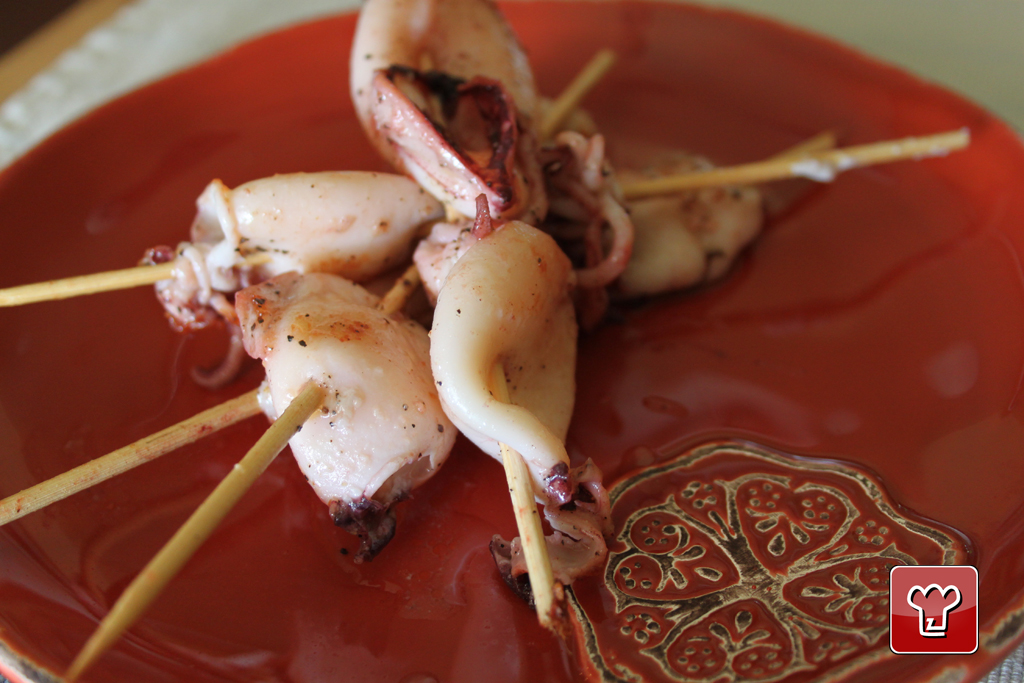
Your delicacy is ready - in which it is the ingredients that really matter
|
Additional information
Local Calamari Skewers with Fresh Cherry Tomatoes
A tasty variation of local calamari skewers includes the addition of fresh cherry tomatoes. This combination offers a contrast of flavors and colors that makes the dish even more inviting. To prepare the skewers, simply alternate the calamari with cherry tomatoes, threading them together on the skewers. The sweetness of the tomatoes pairs perfectly with the delicate flavor of the squid, creating a balanced and fresh dish. Cook the skewers in a pan as in the original recipe, but keep in mind that the tomatoes require a slightly shorter cooking time. Serve them warm, perhaps with a drizzle of extra virgin olive oil and a sprinkle of oregano, for an even richer tasting experience.
Venetian Local Calamari Skewers
The preparation of local calamari skewers can vary depending on regional traditions. In Veneto, for example, it is common to marinate the calamari with local herbs such as rosemary and thyme before cooking. This variation imparts a special aroma to the dish, enhancing the flavor of the fish. Additionally, it is possible to grill the skewers for a smoky flavor and irresistible crispiness. Served with a sauce made from lemon and parsley, Venetian skewers become a perfect dish for an outdoor summer dinner, evoking the flavors of the sea and local culinary tradition.
Light Local Calamari Skewers without Oil
For those who desire a lighter version of local calamari skewers, it is possible to prepare them without oil. In this case, after cleaning the calamari and threading them onto the skewers, it is advisable to cook them on a non-stick grill or in a pan without fats. High-temperature cooking allows for juicy and flavorful skewers while keeping calories to a minimum. To further enhance the flavor, spices such as paprika or a mix of aromatic herbs can be added. This light version is ideal for those following a balanced diet but who do not want to give up a tasty and nutritious fish dish.
Nutritional Benefits of Local Calamari Skewers and Calories
Calamari are a food rich in protein and low in fat, making them an excellent choice for a healthy diet. They also contain important nutrients such as selenium and vitamin B12, which support immune system health and energy metabolism. A serving of local calamari skewers (about 100 grams) provides approximately 120 calories, depending on the preparation and ingredients used. Thanks to their omega-3 content, calamari also contribute to heart health. Regularly consuming fish is recommended for a balanced diet and to maintain good overall health.
Can Local Calamari Skewers be Frozen?
It is possible to freeze local calamari skewers, but it is advisable to do so before cooking. To freeze them, it is important to ensure that the calamari are fresh and clean. Thread them onto the skewers and wrap them in plastic wrap or food bags, removing as much air as possible. Once frozen, the skewers can be stored for up to 2-3 months. When you wish to cook them, simply thaw them in the refrigerator for a few hours before cooking. Cooked skewers, on the other hand, are not recommended for freezing, as they may lose texture and flavor during the thawing process.