Kept only on this device, in your browser.
Kept only on this device, in your browser.
With the arrival of the winter season, when tables are enriched with simple yet flavorful dishes, sea bass in salt crust emerges as an ideal choice for a special dinner. This dish enhances the freshness of the fish through a cooking method that preserves its juiciness and delicate flavor, making it a true symbol of the culinary tradition of Friuli Venezia Giulia. The salt crust cooking technique not only allows the sea bass to cook evenly while keeping its natural aromas intact, but also creates a sort of shell that prevents the juices from escaping, resulting in tender and flavorful meat. The use of coarse salt, which completely covers the fish, is essential: during cooking, the salt transforms into a hard crust that acts as a barrier, while the internal moisture concentrates, giving the sea bass an intense and enveloping flavor. This dish is perfectly suited for various occasions, from a family Sunday lunch to an elegant dinner with friends, perhaps accompanied by a side of grilled vegetables or a fresh salad. In some regional variations, you can enhance the preparation with aromatic herbs like rosemary or thyme, which pair beautifully with the fish, adding an extra touch of aroma. Sea bass in salt crust is thus a dish that not only celebrates the quality of fresh ingredients but also represents a way to bring people together around a table, making every meal a moment to remember.
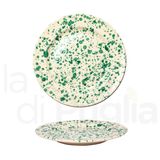 24 cm Mottled Effect Glazed Terracotta Flat Plate
Terracotta plate
 101, Apulian rosé wine
Apulian rosé wine
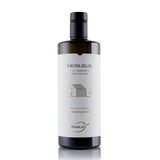 Favololio, extra virgin olive oil from Favolosa 500ml
Apulian extra virgin olive oil
 Sponsor · la terra di Puglia
* approximate values per serving
After carefully gutting the two sea bass, wash them thoroughly to remove any blood or impurities under running water; dry them perfectly with kitchen paper and place them on a steel tray, ensuring they are at least two cm apart. Cover the sea bass with plenty of salt so that no part of the fish is left uncovered and place the steel tray in a preheated oven at 250 degrees for at least twenty-five minutes. You can test the cooking by inserting a long skewer through the salt at the thickest part of the fish (the connection between the body and the head), and passing the skewer just out between the lips and nose; it should feel warm but not wet. Now the fish is ready, and after breaking the crust formed during the salt cooking, serve it very hot, drizzling a spoonful of oil over each fillet and adjusting with salt if necessary.
With your consent we use Google Analytics cookies to count visits and see which recipes are read. Without consent we load none. There is no third-party advertising on this site. Cookie policy