Kept only on this device, in your browser.
Kept only on this device, in your browser.
When it comes to dishes that evoke authentic flavors, Tripe Caserecce perfectly fits into this culinary tradition. This dish, characterized by a soft and enveloping texture, stands out for its ability to enhance the flavor of tripe, an often underestimated ingredient rich in history and tradition. The preparation begins with cooking the tripe, which is cut into thin strips and boiled in salted water with a bay leaf, a trick that not only flavors the meat but also enhances its organoleptic characteristics, making it tender and fragrant. Originating from a gastronomic tradition that spans several Italian regions, this dish finds its unique expression in local variations: in some areas, tripe is enriched with fresh tomatoes, while in others, a simpler seasoning is preferred to allow the flavor of the meat to shine. Tripe Caserecce is ideal for a family lunch during the winter months when the craving for hearty dishes is felt. Paired with a good red wine, this dish becomes a true invitation to gather around a table, where conviviality and the pleasure of food merge into a unique experience. The presence of fresh tomatoes, sautéed with oil and oregano, adds a note of freshness that perfectly balances the richness of the tripe, making every forkful a moment of pure satisfaction. With the final touch of grated Parmesan and a sprinkle of pepper, Tripe Caserecce transforms into a dish that celebrates tradition while always keeping an eye on innovation and the quality of the ingredients.
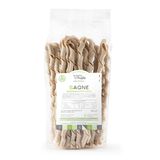 Sagne ncannulate of barley
Apulian dried pasta
 Pottery Soup Plate 23 cm Brown
Terracotta plate
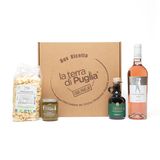 Recipe box: orecchiette with turnip greens cream
Gift box with products and a recipe
 Sponsor · la terra di Puglia
* approximate values per serving
Cut the tripe into thin strips and cook it in salted boiling water for an hour with a bay leaf. Blanch the tomatoes in boiling water for 10 seconds to easily peel them. Drain the tripe, reserving some cooking water. Cut the tomatoes into pieces, season them with oil and oregano, then sauté them for a minute in a very hot pan. In a bowl, toss the tripe with Parmesan and cooking water, then adjust with pepper. Serve the tripe with the tomatoes and finish with a drizzle of raw extra virgin olive oil.
A tasty variation of caserecce with tripe is the addition of pecorino, a cheese typical of the Lazio tradition. This ingredient not only enriches the dish with its strong flavor but also creates a perfect balance with the delicacy of the tripe. During preparation, once the caserecce are cooked al dente, you can toss everything with plenty of grated pecorino, which will melt with the heat, enveloping the pasta in an irresistible creaminess. The recipe thus becomes even richer and more flavorful, perfect for those who love traditional dishes with an extra touch. Serve the caserecce with tripe with a sprinkle of black pepper and a drizzle of extra virgin olive oil to enhance all the flavors.
Caserecce with tripe Lazio style represents a true homage to the traditional cuisine of Lazio. This preparation stands out for the use of fresh and genuine ingredients typical of the region. The tripe, slowly cooked with peeled tomatoes and rosemary, releases intense aromas that blend perfectly with the pasta. In this variant, the prolonged cooking allows the flavors to merge, creating a rich and satisfying dish. The Lazio tradition generally also includes the addition of a bit of chili to give a touch of spiciness. Serve the caserecce hot, accompanied by a good glass of local red wine for an authentic and satisfying culinary experience.
For those who wish to enjoy caserecce with tripe in a lighter version, it is possible to prepare them without added fats. In this variant, one can opt for steaming the tripe, avoiding frying the onion in oil. Using only a bit of vegetable broth for flavoring, you achieve a healthier and lighter dish while still maintaining the characteristic flavor of the original recipe. This preparation is ideal for those following a low-calorie diet, allowing you to enjoy the taste of tripe without compromising on your figure. Additionally, pairing the dish with a fresh seasonal vegetable salad will make the meal balanced and nutritious without being heavy.
Tripe is a food rich in protein and low in fat, ideal for a balanced diet. It also contains important nutrients such as iron and vitamin B12, which are essential for blood health and the nervous system. Caserecce with tripe, while being a substantial dish, can be enjoyed without guilt if prepared with fresh and healthy ingredients. A serving of caserecce with tripe provides about 400-450 calories, depending on the amounts of pasta and tripe used. It is a dish that, when consumed in moderation, can fit perfectly into a varied and balanced diet, providing the energy and nutrients necessary to face the day.
The question of whether caserecce with tripe can be frozen is common among those who wish to prepare the dish in advance. The answer is affirmative: it is possible to freeze caserecce with tripe, but it is advisable to do so before adding the pecorino. To freeze, allow the dish to cool completely and then transfer it to an airtight container. When you want to enjoy it, simply thaw it in the refrigerator and reheat it in a skillet, possibly adding a bit of broth to maintain creaminess. This method helps preserve the flavor and texture of the tripe, making the dish ready in just a few minutes.
With your consent we use Google Analytics cookies to count visits and see which recipes are read. Without consent we load none. There is no third-party advertising on this site. Cookie policy